Guides
How to read our reliability score
Which sources sit under the reliability score, why it sometimes reads n/a instead of a number, and how to weigh the score against the other categories.
We list no dealers and sell nothing. We put the numbers side by side; the choice stays yours.
Reference date May 2026 Policy and rates change — always check the official source.
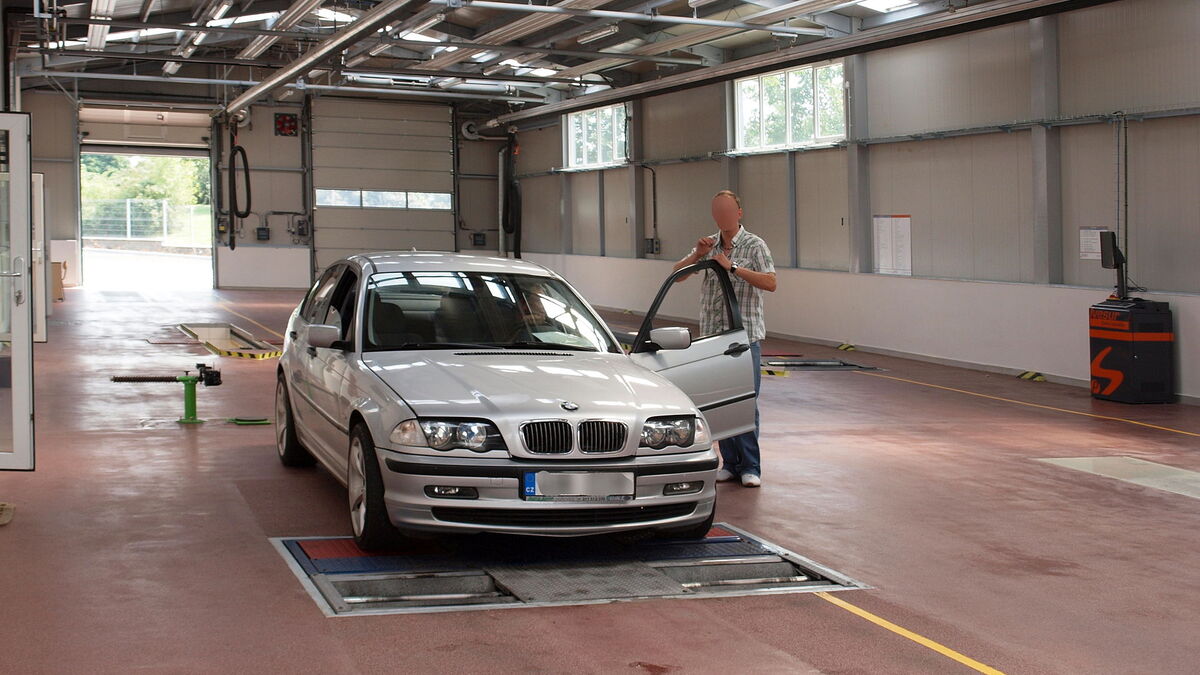
The reliability score is a tool for comparing models, not a prediction for one individual car. This guide explains what the figure rests on and how you read it. We make no recommendation and sell nothing.
What sits under the score
Every reliability score shows its source line directly under the figure. The composition is traceable per model and combines public sources:
- ADAC Pannenstatistik (segment): the German annual breakdown statistic, used at segment level when there is insufficient model-specific data.
- Aggregated owner reviews: recurring reports from public forums, self-reported, not verified by us.
- Recall and TSB data from RDW (and where relevant KBA or NHTSA): official recall actions and technical service bulletins.
The score is a scale of 0-100 and is relative within the segment, not absolute. A 70 for a D-segment saloon and a 70 for a B-segment car are weighed against different reference groups. So prefer to compare models within the same segment.
Why it sometimes reads n/a
For a number of models there is no figure but n/a (not available). That
happens deliberately in two cases:
- The model has been on the market too short a time for meaningful breakdown or recall statistics (for example an EV from the current model year).
- The available data is too thin or too contradictory for one responsible figure.
In those cases we show no estimate. A missing figure is a more honest signal than a guess, and it follows the same line we keep for PHEV fuel use (see the guide on PHEV fuel use and the utility factor).
How you weigh the score
There is no overall figure per car. A model that scores high on fuel use but low on reliability is a different trade-off than the other way round, and that trade-off is yours. Read the score together with:
- the source line and the reference date below it,
- the model year and the status (a discontinued model with high mileages carries different age-related risks),
- the points of attention in the model text, where recurring owner reports are named concretely.
Indicative, no tax or financial advice. Always compare with an independent adviser and the official source.
Carry on with the data: use the search engine with filters, set two models side by side in the comparator or view the electric models. The margin between figure and practice is in the guide on WLTP versus real-world fuel use.
No tax or financial advice. Every figure shows its source and reference date. Always compare with an independent adviser and the official source.