Guides
Estate versus SUV: which specifications actually differ
An estate and an SUV from the same brand often share the platform. Which spec fields systematically diverge, which barely do, and how to read that side by side per trim. No advice.
We list no dealers and sell nothing. We put the numbers side by side; the choice stays yours.
Reference date May 2026 Policy and rates change — always check the official source.
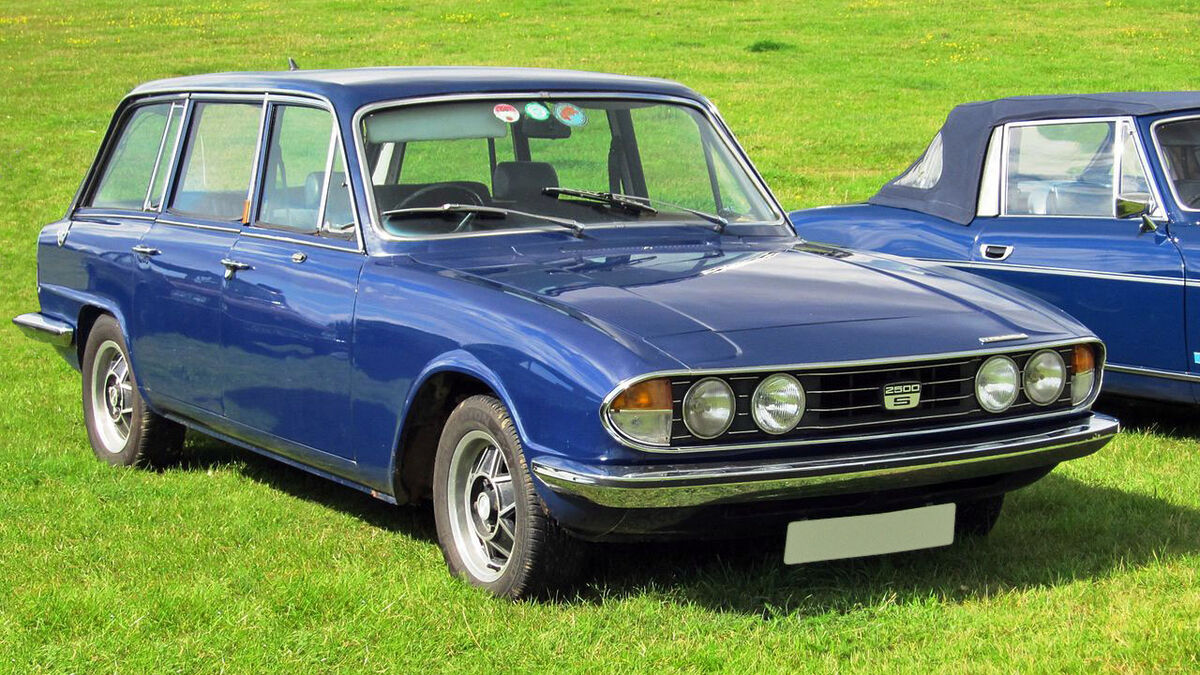
An estate and an SUV on the same platform look like two body styles of the same car, but a few spec fields diverge systematically. This guide lists which ones they are and which barely differ. We do not make a recommendation.
What diverges structurally
- Height and seating height. An SUV is usually taller and has a higher step-in. That is a dimensional difference from the factory specification, not a performance figure.
- WLTP consumption or range. The taller, shorter SUV body has more drag and often more mass. With an otherwise identical drivetrain the WLTP consumption is therefore generally somewhat higher, or the EV range somewhat lower, than the estate of the same model (factory specification per trim; on the order of a few percent to over ten, model-dependent).
- VDA boot volume and shape. An estate often has a longer, lower load area with a lower lift-over height; an SUV a taller but shorter boot. The VDA figure can be close while the usable shape differs (see the guide on VDA litres).
- Mass and sometimes braked towing weight. The heavier SUV trim can have a different braked towing weight or a different permissible maximum mass (factory specification/type approval, RDW per registration).
- Ground clearance and approach angle. An SUV usually has more ground clearance. That is a dimension from the factory specification, not a measure of off-road capability in itself; four-wheel drive is a separate trim choice that can also be fitted to an estate.
The magnitude of the consumption difference is limited but systematic. With an otherwise identical drivetrain, factory specifications and independent tests often report a difference on the order of a few percent to over ten percent higher consumption or lower EV range for the SUV body, strongly dependent on model, wheel size and speed (factory specification and independent tests such as ADAC; not measured by us). On the motorway, where drag dominates, that difference grows beyond what it is in town.
What often barely differs
On a shared platform the engines, transmissions and many safety systems are identical. Acceleration figures are often close together, with the SUV slightly slower due to mass and drag. Wheelbase, and with it the interior room for occupants, can be almost equal even when the exterior dimensions differ (factory specification; varies per model pair). Independent handling or braking tests are an additional signal alongside the stated figures, not a replacement.
A common misconception is that an SUV is automatically roomier inside. Interior room for occupants depends mainly on the wheelbase and the package dimensions, not on the exterior height. An estate on the same platform often has comparable leg and head room and sometimes a larger or longer boot, while the SUV offers a higher seat and step-in. Those are separate spec fields; one does not follow from the other (factory specification; varies per model pair). Owner reviews confirm or qualify that real-world picture, but that is self-reported and labelled, not a measurement by us.
How to read this side by side
Do not compare the segment label but the trim figures: WLTP value, VDA volume
with shape context, height and step-in, mass and braked towing weight, per
trim and with source. The body style is not a performance figure in itself;
the differences sit in these fields. Where a figure is not reliably
established, we show n/a instead of a derived estimate.
A workable reading order: start with the WLTP consumption or range of the exact trim, not the model average. Place next to it the VDA volume with the width between the wheel arches and the lift-over height, because two almost equal litre figures can load very differently. Then check mass, braked towing weight and permissible maximum mass if you tow a trailer, and only then the seating height and ground clearance if those matter to you. In the catalogue, filter first by segment or brand to get comparable body variants side by side, and use the independent tests as a second source alongside the factory specification. We do not give “pick the estate” or “pick the SUV”; we lay out the figures so you can weigh them yourself.
Indicative, not buying advice. Differences between body variants sit in concrete spec fields, not in the segment label. Compare per trim and with independent tests.
Continue with the data: put trims side by side in the comparator, filter by segment or brand, search precisely via the search engine with filters or read the guide reading VDA litres.
No tax or financial advice. Every figure shows its source and reference date. Always compare with an independent adviser and the official source.