Guides
WLTP versus real-world consumption: why the figures diverge
What the WLTP figure does and does not say, which margin to calculate with for petrol, diesel and EV, and where the real-world figures per model are.
We list no dealers and sell nothing. We put the numbers side by side; the choice stays yours.
Reference date May 2026 Policy and rates change — always check the official source.
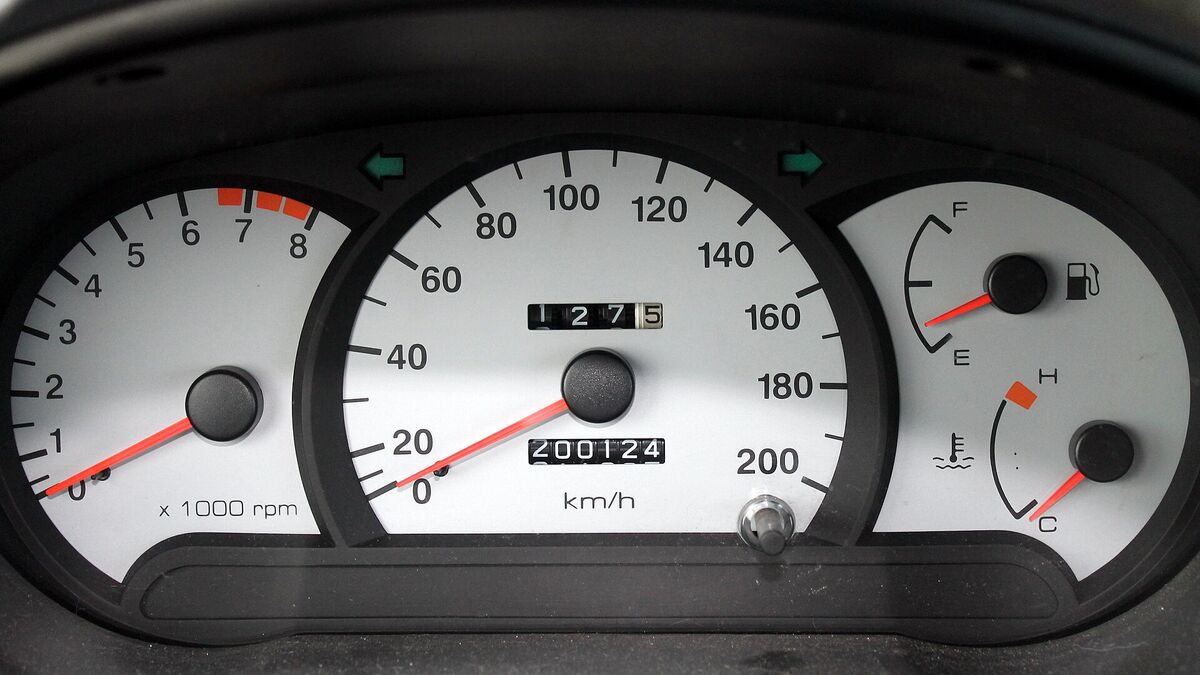
The WLTP value on the type plate is a test-cycle outcome under standardised conditions, not a promise about your trip. This guide explains where the difference comes from and which margin to calculate with. We make no recommendation and sell nothing.
What WLTP measures, and what not
WLTP (Worldwide harmonised Light vehicles Test Procedure) has replaced the older NEDC cycle since 2017-2018. The test runs on a rolling road with a fixed speed and temperature profile. That makes models mutually comparable, but the cycle contains no strong wind, no full roof box, no trailer, no cold winter morning and no 130 km/h over a longer distance. It is precisely those factors that add up in practice.
NEDC figures (models from before roughly 2018) are structurally more optimistic than WLTP. For older models in our catalogue the consumption value is therefore explicitly labelled as an indicative conversion, not as a WLTP measurement.
Which margin to calculate with
The deviation differs per drivetrain. Based on owner-reported figures on public forums (self-reported, not measured by us, see the reviews per model) these are common reference values:
- Petrol: practice usually 10-25% above WLTP, highest on the motorway. A WLTP figure of 5.5 l/100km becomes closer to 6-6.5 l/100km in practice.
- Diesel: relatively close to WLTP over long distances, often 5-15% above. Short trips disrupt the particulate filter regeneration and raise consumption.
- Full hybrid: in urban traffic sometimes below the WLTP figure, on the motorway above it, because the electric motor contributes less there.
- Plug-in hybrid: here WLTP is least usable as a single figure; the outcome depends on charging behaviour. See the separate guide on the utility factor.
- EV: real-world range usually 10-25% below WLTP, in winter at motorway speed towards 30% less.
These are reference values, not guarantees. The spread per concrete model is listed with the owner reviews, with source and date.
A calculation step for your own situation
- Take the WLTP value of the model from the specs.
- Add the margin that goes with the fuel type (petrol, diesel, hybrid or EV — see the list above) and how you drive (town, motorway, winter).
- Compare that corrected value, not the WLTP value, between candidates.
For an EV you reverse step 2: subtract the margin and check whether the remaining range covers your longest regular trip.
Use the WLTP correction calculator to work out step 2 directly.
Indicative, not tax or financial advice. Always compare with an independent adviser and the official source.
Continue with the data: view the electric models, use the search engine with filters or put candidates side by side in the comparator. The background to the reliability score is in the guide on our reliability score.
No tax or financial advice. Every figure shows its source and reference date. Always compare with an independent adviser and the official source.