Guides · LPG
LPG in 2026: the figures at a glance
What LPG costs per 100 km against petrol, how CO2 emissions compare, and which points of attention a bi-fuel installation brings. Do the maths yourself.
We list no dealers and sell nothing. We put the numbers side by side; the choice stays yours.
Reference date May 2026 Policy and rates change — always check the official source.
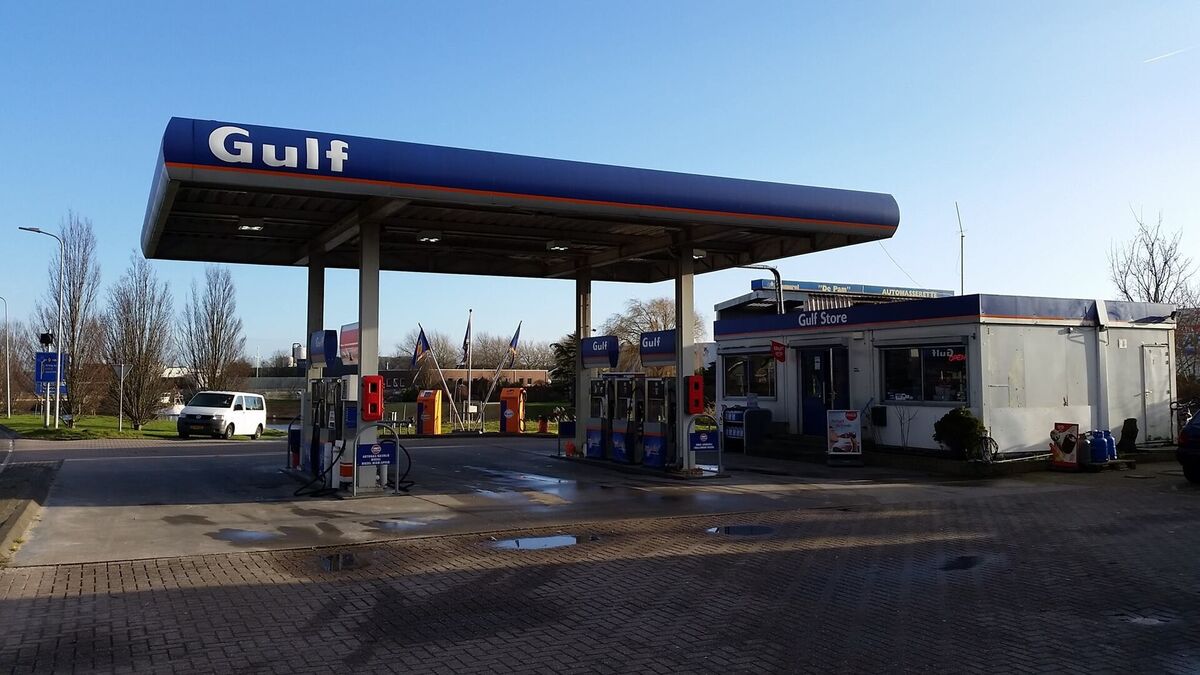
LPG (autogas) is a niche choice in 2026 with its own cost picture. This guide sets the numbers out so you can do the maths yourself. We make no recommendation, give no cost advice and sell nothing.
Fuel use: more litres, lower price per litre
A bi-fuel car uses more per 100 km on LPG than on petrol. For the bi-fuel models in our catalogue the difference is around 25-30%: a car that does about 5.8-5.9 l/100km on petrol uses closer to 7.5-7.6 l/100km on LPG (factory figure, indicative). Against that, the price per litre of LPG at the pump lies lower than that of petrol. Whether it works out cheaper net is a sum of three variables:
- the LPG fuel use per 100 km (from the specs),
- the current prices per litre of LPG and petrol (day price, no fixed ratio),
- your annual mileage, set against the one-off extra price or installation cost of the system.
You make that sum yourself with current prices; we fill in no prices or annual mileage and give no “payback time” advice.
CO2 and low-emission zones
LPG emits less CO2 per kilometre than petrol, but it remains a fossil fuel. In the sustainability score of bi-fuel models that weighs in as “lower than petrol, not zero” (indicative weighting, source stated per model). LPG cars usually do not fall under the strictest low-emission zone restrictions that hit diesel, but rules vary by city and by country; check the rules for your fixed routes with the official body.
Practical points of attention
- Filling network: not every filling station carries LPG. On longer routes it pays to check beforehand.
- Boot space: the LPG tank often costs boot volume against the pure petrol trim. The difference is in the specs per model.
- Maintenance: the LPG vaporiser and valves need periodic maintenance; at high mileages vaporiser wear is a recurring point in aggregated owner reports (historical, not verified by us).
The catalogue holds both an orderable bi-fuel (the Dacia Sandero ECO-G) and a discontinued reference (the Opel Astra K 1.4 LPG). For the discontinued model there is deliberately no new price and no buy button: it serves as a spec reference, not as purchase advice.
Indicative, no tax or financial advice. Always compare with an independent adviser and the official source.
Carry on with the data: filter by fuel in the search engine, set an LPG model and a petrol model side by side in the comparator or view the electric models as an alternative. For the margin between figure and practice: the guide on WLTP versus real-world fuel use.
No tax or financial advice. Every figure shows its source and reference date. Always compare with an independent adviser and the official source.