Guides · EV
Which electric car in 2026? How to read the specs and ratings
No 'best choice'. A concrete way to weigh EVs on range, consumption and ratings, with the figures and sources alongside.
We list no dealers and sell nothing. We put the numbers side by side; the choice stays yours.
Reference date May 2026 Policy and rates change — always check the official source.
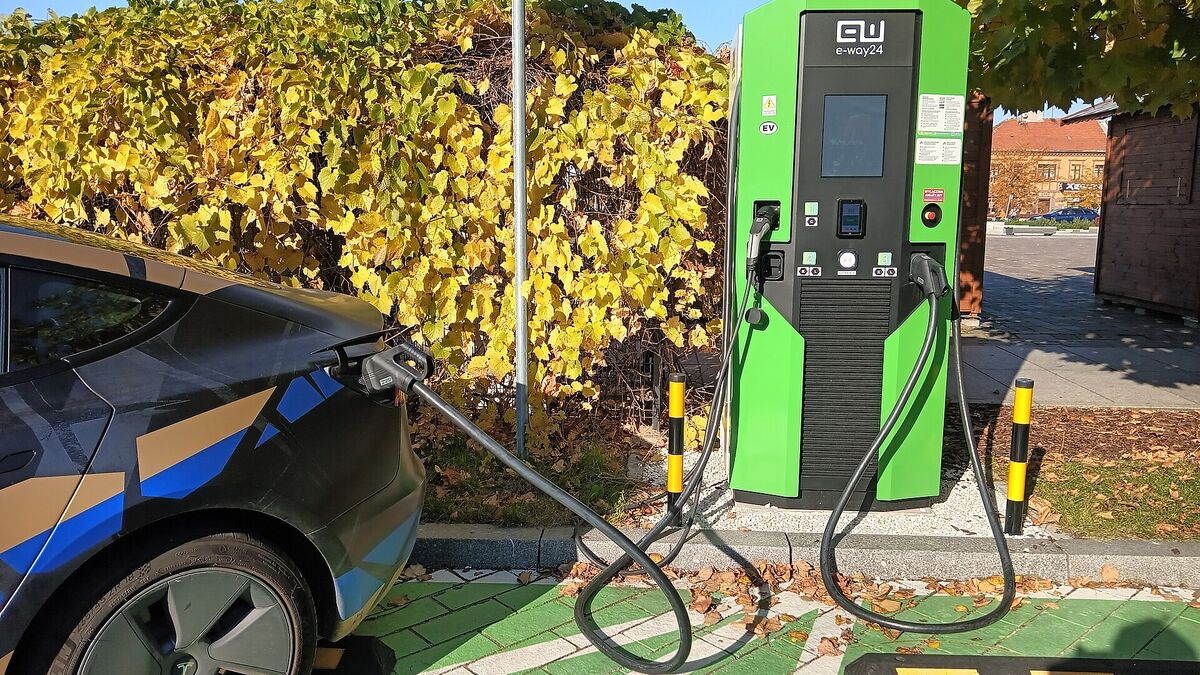
There is no objectively best EV. This guide explains how to read the rating categories and combine them with the specs, so you weigh it yourself. We make no recommendation and sell nothing.
WLTP versus practice: calculate with a margin
The WLTP range is a test-cycle outcome, not a guarantee. Owners report on public forums that the real-world range of a common EV is usually 10-25% lower than WLTP, and in winter at motorway speed towards 30% (self-reported, not measured by us; see the reviews per model). So for your daily trip calculate with the WLTP value minus ~20%, and only then check whether the margin still suffices.
Example with the figures from our database: a model with 550 km WLTP comes out in winter for owners closer to 380-420 km. That same model with a stated 16.5 kWh/100km WLTP often achieves 18-21 kWh/100km in practice. The spread is listed per model with the owner reviews, with source and date.
The four rating categories, and what they mean
- Sustainability: WLTP consumption, battery/drivetrain warranty, LCA indication (source stated per model).
- Reliability: ADAC Pannenstatistik (segment), aggregated owner reviews, recall/TSB data from RDW/KBA.
- Economy: owner-reported real-world consumption against WLTP.
- Value retention: residual value curve;
only shown with sufficiently reliable data points, otherwise it shows
n.b..
Each score shows its source and reference date. Where it shows n.b., we
deliberately show no figure instead of an estimate. There is no overall score:
a car that scores high on economy but low on reliability is a different
trade-off than the other way round, and that trade-off is yours.
A method in three steps
- Determine your daily and your longest regular trip in km. Compare that with the WLTP range minus ~20%.
- Filter by fuel and view per model the economy and reliability score with the source line alongside.
- Put two or three candidates side by side and look at where the figures diverge, not which one “wins”.
Indicative, not tax or financial advice. Always compare with an independent adviser and the official source.
Continue with the data: view the electric models, use the search engine with filters or put candidates side by side in the comparator.
No tax or financial advice. Every figure shows its source and reference date. Always compare with an independent adviser and the official source.