Guides
Boot and luggage space: how to read VDA litres
A boot of 480 litres VDA is not the same as 480 litres to the roof. Which measuring method sits behind the figure, why models compare poorly with each other, and what we do and do not show.
We list no dealers and sell nothing. We put the numbers side by side; the choice stays yours.
Reference date May 2026 Policy and rates change — always check the official source.
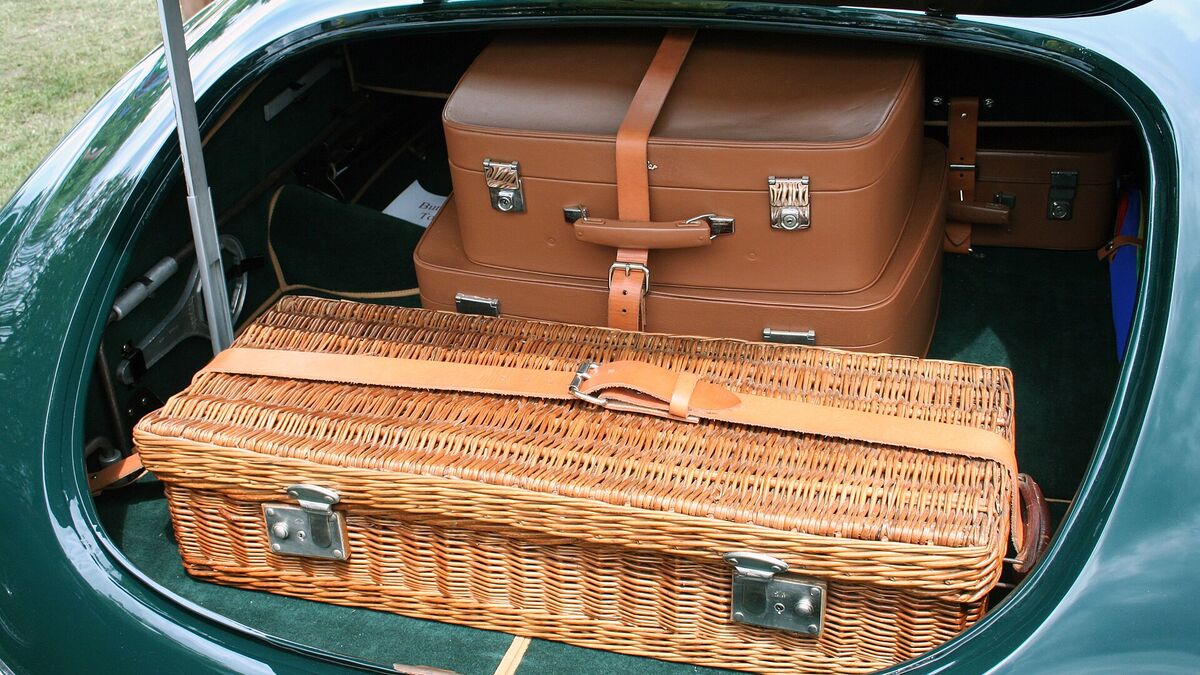
A boot volume in litres looks like a hard number, but the measuring method determines half the story. This guide explains how you read a VDA figure and why two cars with the same number still load differently. We make no recommendation.
What the VDA standard measures
The most-used figure in European brochures follows the VDA method: the space is filled with blocks of 200 x 100 x 50 mm (1 litre) up to the parcel shelf, not to the roof. A figure of, for example, 480 litres VDA is therefore the volume below the cover with the rear seat upright (factory figure per the VDA 200-block method). Some manufacturers additionally cite a second number: the volume to the roof with the rear seat folded down, which lies considerably higher. Those are two different quantities, not two measuring points of the same one.
Not every market or brochure uses VDA. ISO 3832 applies a comparable but not identical block principle, and American figures (SAE, cubic feet) calculate differently. A litre figure without the standard stated is therefore of limited comparability (factory figure; standard not always stated).
The difference between the two numbers is larger than many readers expect. For a common family car the VDA volume up to the parcel shelf often sits in the order of 400-600 litres, while the same model with the rear seat folded down and measured to the roof can run towards 1,300-1,700 litres (factory figure, varying strongly by model). Anyone who mixes those two numbers up is not comparing boots but measuring methods. The cover itself moreover does not always count in the figure; some manufacturers measure with the cover fitted, others without.
Why the same number loads differently
Two models with 480 litres VDA can be differently usable in practice:
- Shape over volume. A long, low space with intrusions at the wheel arches loads differently than a short, high, rectangular box with the same number of litres.
- Loading sill and lift-over height. The height difference between bumper and load floor determines whether a heavy case has to go over it (RDW/the registration certificate does not state this; measured values come from the factory figure or independent tests).
- Frunk and underfloor compartment. EVs sometimes have an extra space at the front; the rear VDA figure leaves that out of account.
- Plug-in technology. For a PHEV the battery often sits under the load floor, which lowers the VDA volume relative to the combustion variant of the same model (factory figure, varying by trim).
- Spare wheel or tyre set. A full-size spare wheel under the floor costs space that may or may not be counted in the VDA figure, depending on the trim and the market (factory figure, varying by trim).
Width between the wheel arches and the sill height
Besides litres, some manufacturers and independent tests publish the usable width between the wheel arches and the height of the loading sill. Those two dimensions often determine more about practice than the litre count: a pram or a Euro pallet fits on width, not on volume. A lift-over height that protrudes tens of centimetres above the load floor makes loading heavy luggage harder, regardless of how many litres fit behind it (measured values from the factory figure or independent luggage tests; not measured by us). For estate cars the sill usually lies lower than for an SUV on the same platform; that difference stands apart from the VDA figure and recurs in the separate guide on estate versus SUV.
What we show, and when ‘n/a’
In the specs catalogue we show the VDA volume per trim where the manufacturer
publishes it that way, with the second number (rear seat down, to the roof)
separately if available. If a manufacturer cites only a deviating standard or
an unspecified figure, we label the source or show n/a rather than placing
two non-comparable numbers side by side. Independent luggage measurements from,
for example, ADAC or car magazines sometimes use standard cases instead of
litres; those stand apart from the VDA figure and are an additional signal,
not a replacement.
Owner forums add a third layer to that: users report how many shopping bags, how many cases of a particular size or which bike arrangement actually fits. That is self-reported and not measured by us, but it sometimes corrects a litre count that looks generous on paper but in practice falls short through a narrow opening or a sloping roof. We label those reports as owner data with a source and a date and do not convert them into a figure of our own.
Indicative, no purchase advice. Litre figures do not always follow the same standard and say little about the shape of the space. Compare with independent luggage measurements.
Carry on with the data: set trims side by side in the comparator, search specifically via the search engine with filters, view a model page with the source lines, or look concepts up in the glossary.
No tax or financial advice. Every figure shows its source and reference date. Always compare with an independent adviser and the official source.