Guides · PHEV
Hybrid, plug-in or full-electric: which numbers set the difference
Full hybrid, plug-in hybrid and EV differ on a handful of concrete numbers: electric range, WLTP fuel use, charging time and the utility factor. How you read them.
We list no dealers and sell nothing. We put the numbers side by side; the choice stays yours.
Reference date May 2026 Policy and rates change — always check the official source.
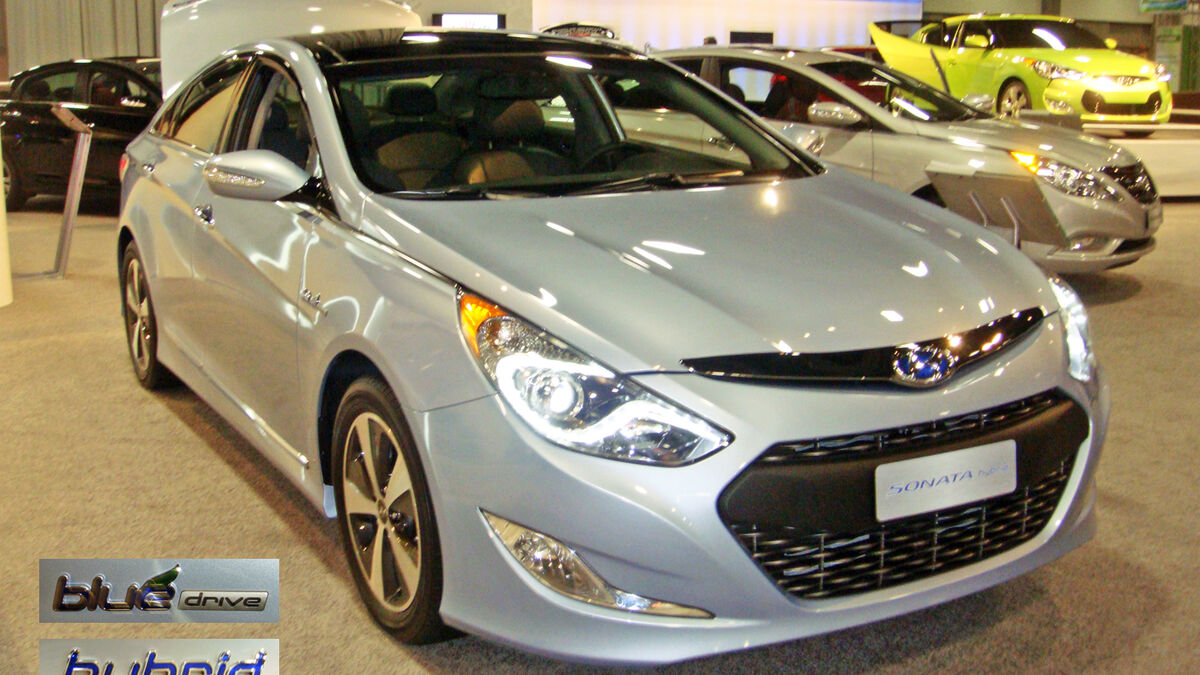
The terms hybrid, plug-in and electric cover three technologies that you tell apart on a few hard numbers, not on the name. This guide sets those numbers side by side. We make no recommendation and sell nothing.
What technically separates the three
- Full hybrid (HEV): combustion engine with a small battery that you do not charge at a socket. Electric driving is limited to low speed and short stretches. The relevant figure is WLTP fuel use in l/100km, not an electric range.
- Plug-in hybrid (PHEV): rechargeable battery plus combustion engine. Here two numbers count: the electric WLTP range (often ~40-90 km, factory figure, varying by model) and fuel use with an empty battery (then it runs on petrol only, like an ordinary car).
- Full-electric (EV): no combustion engine. Numbers: WLTP range, use in kWh/100km (electricity use per 100 km; lower is more efficient), and the 10-80% charging time.
The utility factor for PHEV
The low WLTP fuel use of a PHEV only holds if you charge often. The utility factor is the share of kilometres you actually drive electrically. Anyone who rarely charges in effect drives a heavy petrol car with the corresponding fuel use. Independent data shows that real-world fuel use of PHEVs lies on average well above the WLTP figure, with large spread depending on charging behaviour (research via, among others, European real-world data sources and ADAC (large German automobile club with its own fuel-use research); indicative, strongly user-dependent). A separate guide on this site works the utility factor out further.
Which numbers you compare per type
For a full hybrid (HEV) you look at WLTP fuel use against owner-reported real-world fuel use.
For a PHEV at the electric range plus fuel use with an empty battery, and you
weigh yourself how much you would charge. For an EV at range minus winter
margin (range drops in cold weather), kWh/100km and charging time. We show the factory figure per model with
a source line; where a reliable figure is missing, it reads n/a instead of
an estimate.
Indicative, no tax or purchase advice. WLTP figures deviate in practice, most strongly for PHEV. Compare with an independent source.
Carry on with the data: view the hybrid models, plug-in hybrids and electric models, calculate with the real-vs-WLTP tool, or set types side by side in the comparator.
No tax or financial advice. Every figure shows its source and reference date. Always compare with an independent adviser and the official source.